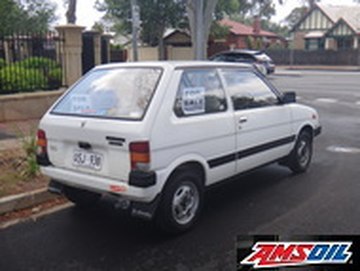
Engine Lubrication and Maintenance for the 1982 Subaru HATCHBACK 1.8L
Maintaining the mechanical integrity of a vehicle from the early 1980s requires a proactive approach to fluid management and component inspection. For the 1982 Subaru HATCHBACK equipped with the 1.8L EA81 engine, consistent attention to lubrication is a fundamental aspect of long-term ownership. Because older engines operate under different thermal and mechanical stresses than modern counterparts, understanding how to monitor and service your lubrication system is essential for preventing unnecessary wear.
Monitoring Fluid Condition and Potential Leaks
One of the most effective ways to assess the health of an engine is through regular visual inspections. For a vehicle of this age, checking for signs of fluid seepage or leakage is a high priority. When performing routine checks, look closely at the areas surrounding the engine block and any accessible gaskets or seals. Even minor evidence of oil weeping can indicate that a seal is beginning to lose its ability to contain pressure.
It is important to note that visible signs of fluid loss can stem from various sources. A small amount of oil on the surface of an engine component might suggest a gasket issue, while a drip on the driveway warrants more immediate investigation. If you notice changes in how much oil the engine seems to use between service intervals, this should be documented and investigated. Unusual odors or changes in the appearance of the lubricant—such as a dark, gritty texture or a milky consistency—can also serve as indicators that the fluid is no longer performing its intended role effectively.
Managing Maintenance Records for Longevity
For owners of a 1982 Subaru HATCHBACK, establishing a clear maintenance baseline is highly beneficial. If you have recently acquired this vehicle and do not have access to a detailed service history, your first priority should be to document the current state of all vital fluids and components. This creates a "starting point" from which you can track any future changes in performance or condition.
Keeping a dedicated log of when oil is changed, which products are used, and when other components are inspected allows you to identify patterns. For example, if you notice that oil consumption increases during specific seasons or after certain repairs, having a written history makes it much easier to diagnose the underlying cause. A well-documented history also helps distinguish between routine maintenance needs and unexpected mechanical issues, allowing for more informed decision-making regarding repairs.
Observing Potential Warning Signs
While many engine issues develop slowly, some symptoms require prompt attention to prevent further complications. When operating your 1.8L engine, remain attentive to any new or unusual mechanical noises that occur during startup or while idling. While a single noise might be nothing more than a loose heat shield, persistent or changing sounds can be associated with various internal or external components.
Additionally, pay attention to any dashboard indicators. If an oil-related warning light illuminates, it is a signal that requires immediate investigation. It is also wise to monitor the vehicle's temperature gauge; evidence of overheating can often be linked to issues within the cooling system or improper lubrication levels. Always remember that symptoms like unusual exhaust smoke or changes in engine smoothness can have multiple causes, ranging from ignition issues to fluid-related concerns, and should be evaluated by a professional if they persist.
Prioritizing Service Tasks as the Vehicle Ages
As a vehicle moves through its decades of service, maintenance priorities often shift from simple part replacement to more comprehensive condition monitoring. Rather than following a rigid schedule based solely on the age of the car, it is more effective to prioritize tasks based on the actual condition of the components. This means inspecting aging materials—such as rubber hoses or electrical connectors, if present—to ensure they remain pliable and intact.
When deciding where to focus your efforts, address active leaks or visible signs of wear first. If you find that certain components are showing signs of deterioration, such as cracking in accessible belts (if equipped), these should be addressed before they lead to a failure. Distinguishing between necessary preventive maintenance and the unnecessary replacement of parts that are still in good condition is key to efficient ownership. By focusing on the current state of the 1.8L engine rather than making assumptions based on the model year, you can manage maintenance costs while ensuring reliability.
General Inspection of Engine Components
A thorough inspection during an oil service provides an excellent opportunity to look at other parts of the engine bay. If equipped, inspect accessible drive belts for signs of glazing, fraying, or cracking. Similarly, if the vehicle is equipped with various hoses, check them for any evidence of softening, swelling, or leaks at the connection points. Even if a component appears functional, checking the integrity of electrical connections and ensuring that air filtration components are clean can contribute to smoother engine operation.
This holistic approach ensures that you are not just looking at the oil, but at the entire environment in which the engine operates. A clean engine bay also makes it much easier to spot new leaks or seeping fluids early on, preventing small issues from becoming significant mechanical problems.
Practical Advice for Buying Engine Oil for your 1982 Subaru HATCHBACK 1.8L
When you are ready to replenish your engine's lubrication, the most important step is to ensure the product matches the specific requirements of your EA81 engine. Rather than relying on general automotive knowledge or assumptions about older engines, always refer to the application-specific viscosity and lubricant information provided on this webpage.
When selecting a product, consider the following practical steps:
- Match the Viscosity: Use only the oil grade that corresponds with the vehicle-specific information displayed in the application data above.
- Verify API Certification: Check the product label to ensure it meets current industry standards for quality and protection.
- Evaluate Formulations: Depending on your specific needs, you may choose between conventional, synthetic blend, or full synthetic oils. Some high-mileage oil formulations also contain additives intended for use in aging engines, including seal-conditioning additives that may be useful for vehicles showing signs of minor seepage.
- Inspect the Label: Always read the physical container before purchase to confirm it aligns with the technical specifications required for your 1982 Subaru HATCHBACK.
By following the specific guidance provided in the application details on this page, you can ensure that your engine receives the correct lubrication necessary for its continued operation.